What do you typically cover?
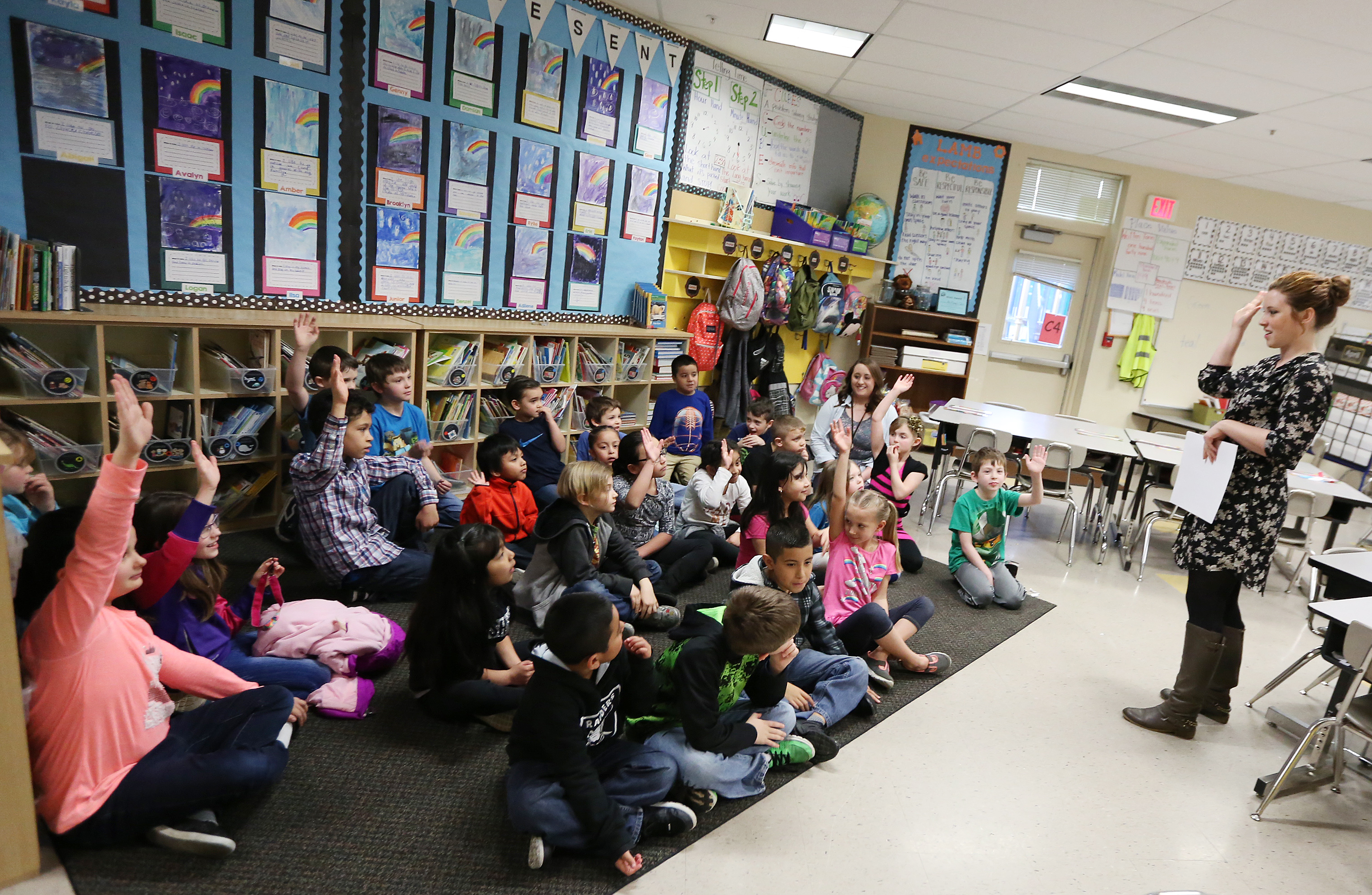
I write about schools across Oregon and Southwest Washington as a K-12 education reporter and producer for Oregon Public Broadcasting (OPB). My stories run online and on the radio. Coverage includes everything from school board debates and local elections to exciting updates or issues facing families, students and educators.
I previously covered education at the Statesman Journal for more than seven years. In that role, I wrote about education throughout Oregon’s Mid-Willamette Valley, including early childhood learning and K-12 schools in Marion and Polk counties, with an emphasis on Salem-Keizer Public Schools, the second-largest district in the state.
I’ve also written about some higher-ed institutions — including Western Oregon University, Chemeketa Community College, Willamette University and Corban University — and education-related policy at the Capitol.
As a freelancer, I wrote about education and other topics, ranging from food to state politics and national issues.
What guides your coverage?
I am, in part, a watchdog and investigative reporter, so one of my main goals is to hold education leaders accountable for the things they are required to do, as well as the promises they make to help students, educators and families succeed. But as a wise peer once put it, speaking truth to power is equally about including the voices of those with the least power.
I work to ensure my stories are timely and pertinent to as many readers as possible, emphasizing issues of inequity. With every topic, I should ask, “Who is being left out? Who benefits from this? Who is hurt by it?”
Who are your sources?
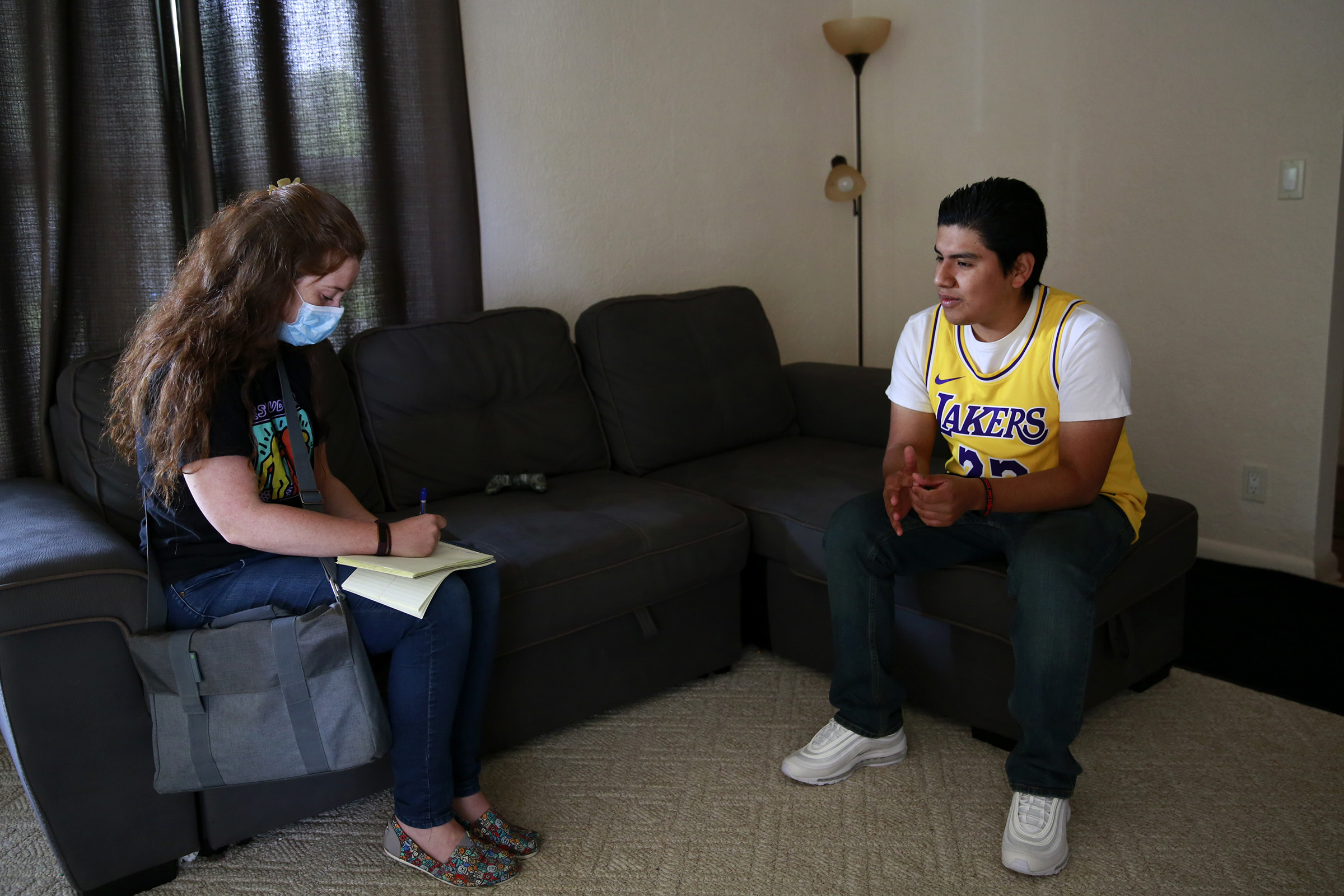
Many of my sources are experts in their respective fields or those who have lived experience with the topic. I talk with state officials, lawmakers, communication directors, teachers, parents or guardians, students, counselors and more. I frequently use data, public records and other research to bolster my work.
Sources change for every story, but I work to consistently meet with people I have ongoing relationships with so those lines of communication and trust stay strong. It’s important to include as many new voices and perspectives as possible as well, focusing on those with the most intimate knowledge of the topic in question.

I rarely use anonymous sources. When I do, the story typically involves an extreme situation for the source/subject, and I will state why we are not including the person’s name (i.e., a survivor of domestic violence). It’s common to leave out the last names of minors or young adults in juvenile facilities who will be released.
I make sure to fact-check all claims by my sources, regardless of whether they are on or off the record. I will explain in the story if someone’s name has been left out for a particular reason.
How do you vet sources?
As journalists, we need to ensure our sources are credible. There are a number of ways we do this, and the process can differ depending on the story. Vetting typically includes conducting background checks via public records, court documents and social media.
If someone makes a particular claim, I look for other sources and experts who can confirm or correct that information. I often go back and forth with a source to confirm facts and quotes.
Does your outlet use wire content?
When I worked at the Statesman, the newspaper partnered with different wire services and publications that allowed them to share content from outside their newsroom. This includes articles from other USA TODAY properties, the Associated Press and more. Many but not all news outlets operate similarly.
OPB partners with various newsrooms in the region and nationwide, including NPR. You will hear OPB coverage on the radio, for example, followed by NPR news.
Editors and digital producers typically decide what content is appropriate for their site. Reporters sometimes contribute additional, localized information to those stories before sharing them with area readers.
How do you interview and write about minors?
This is very important and something I deal with regularly as an education reporter. Crime and court reporters deal with it frequently, too.
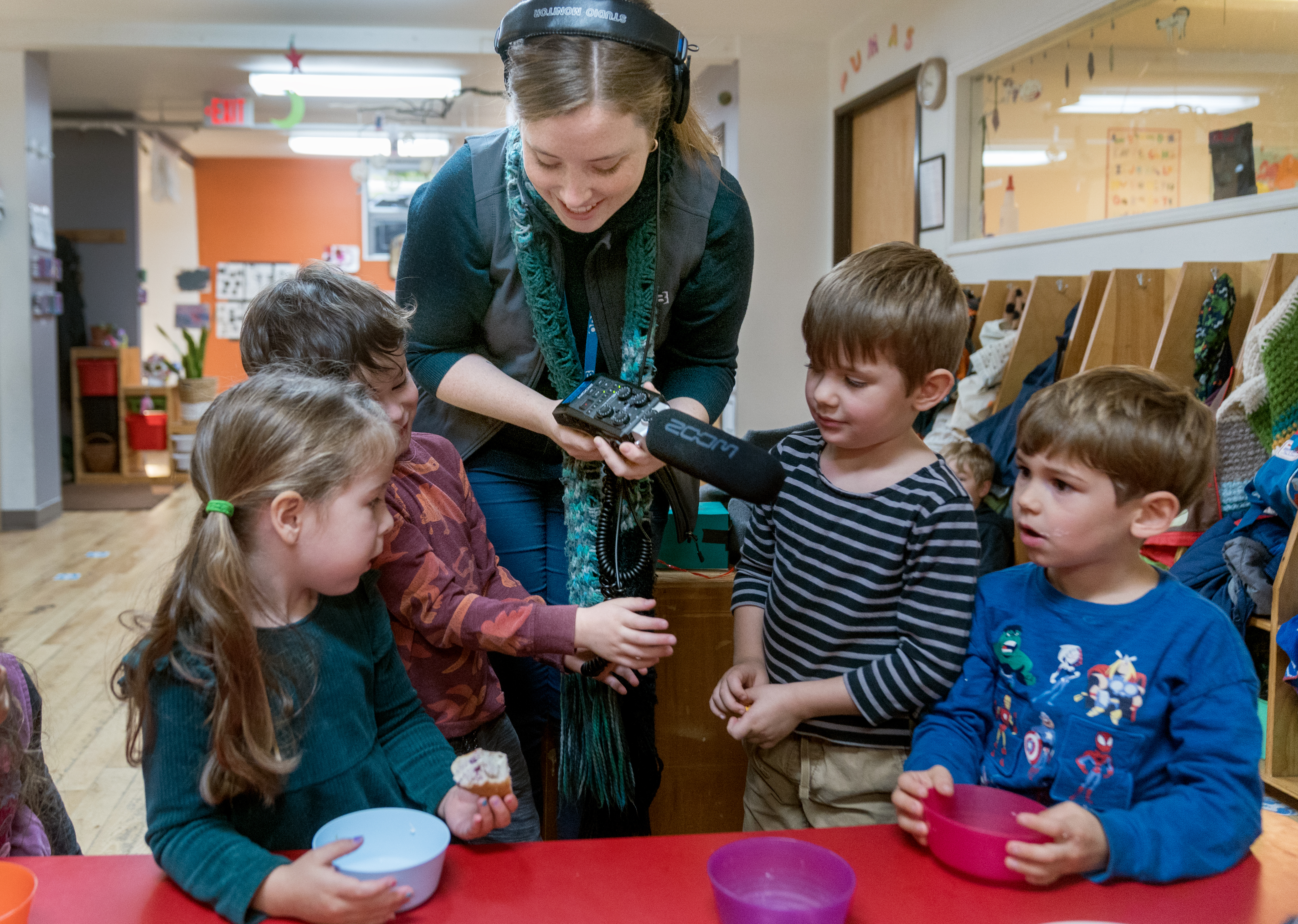
I make sure to communicate with the parents and/or guardians as much as possible, check photo and media releases with schools, etc., to ensure minors are safe and not put in harm’s way (physically, emotionally or professionally in the future) because of my coverage.
This is one instance where I may only use the child’s first name or omit their name entirely for their protection, depending on the nature of the story.
I work to ensure all people I interview, especially youth, feel comfortable and heard. Where and how I interview them is important, too. I explain the process to them in advance, follow up with them often, and frequently add extra time to our interviews so they can take their time and ask questions as needed.
How do you balance stories?
Following the Society of Professional Journalists Code of Ethics and the policies of the outlets I work with, I work to ensure my stories are as thorough, accurate and balanced as possible. This means recognizing my own biases, bringing in multiple perspectives on each subject, conducting a thorough fact-checking process and more.
I work with my colleagues and editors to select individual words, phrases and the framing of my stories so they don’t skew the meaning or interpretation in favor of any side.
In watchdog and investigative stories, there is a sense of blame explored in the coverage. Still, I am responsible for giving all sides a chance to speak on their behalf, ensuring they are not blindsided and that I fact-check all information included.
If there is a factual error in one of my stories, I am responsible for updating the story with the correct information and including a statement showing a correction or clarification was made. Print reporters are also responsible for filing corrections in their publications, which should be printed in the same place in the paper every time, or according to whatever the correction policy may be for a specific publication.
Why do you need help from readers?
I am lucky to be able to spend time in many of the communities I cover on a regular basis. However, I’m not an educator or activist, and I can’t be everywhere at once. I also do not have personal, lived experience in every community or experience with each of the inequities and disproportionate harms seen in our society.
I need community members to help keep me in the loop about things going on and to hold me accountable for being fair, accurate and representative of our community’s diversity. If something is happening in the area I should cover, let me know.
This could be a possible human interest piece, a cause for an investigation — you name it. Send it my way, and I’ll see what I can do.
I always tell my sources: I would rather know about something and have to say “no” than not know it’s happening.
Reach out via the contact page on my website regarding my reporting or work as a storytelling coach and author. Reach me via email at bynataliepate@gmail.com. Thank you!
 Natalie Pate